


































Temple of the Sacred Tooth Relic Kandy
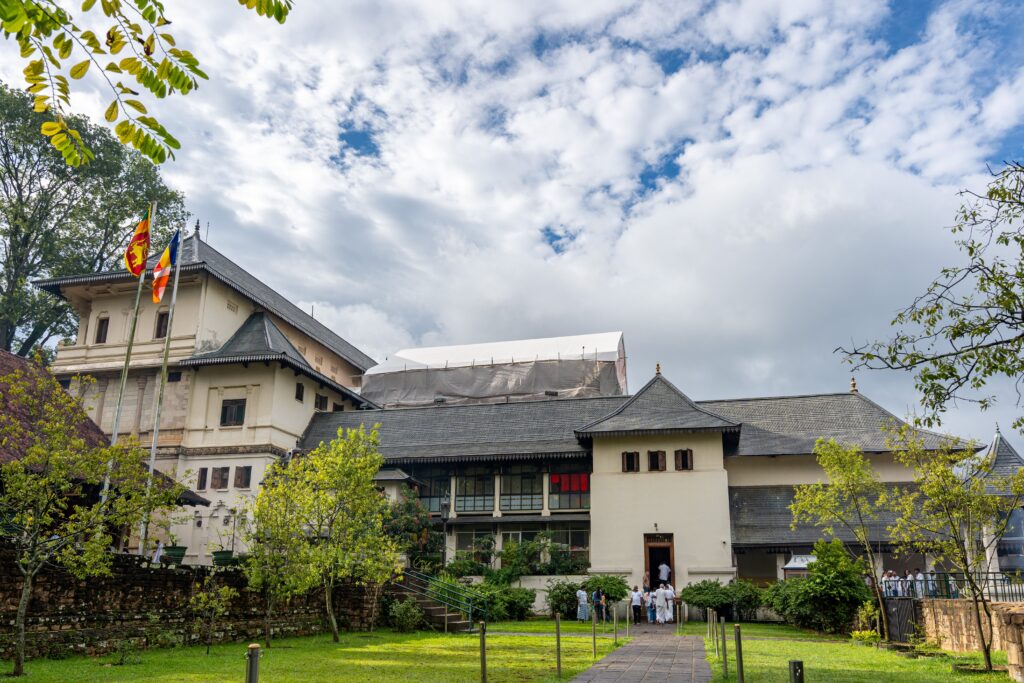
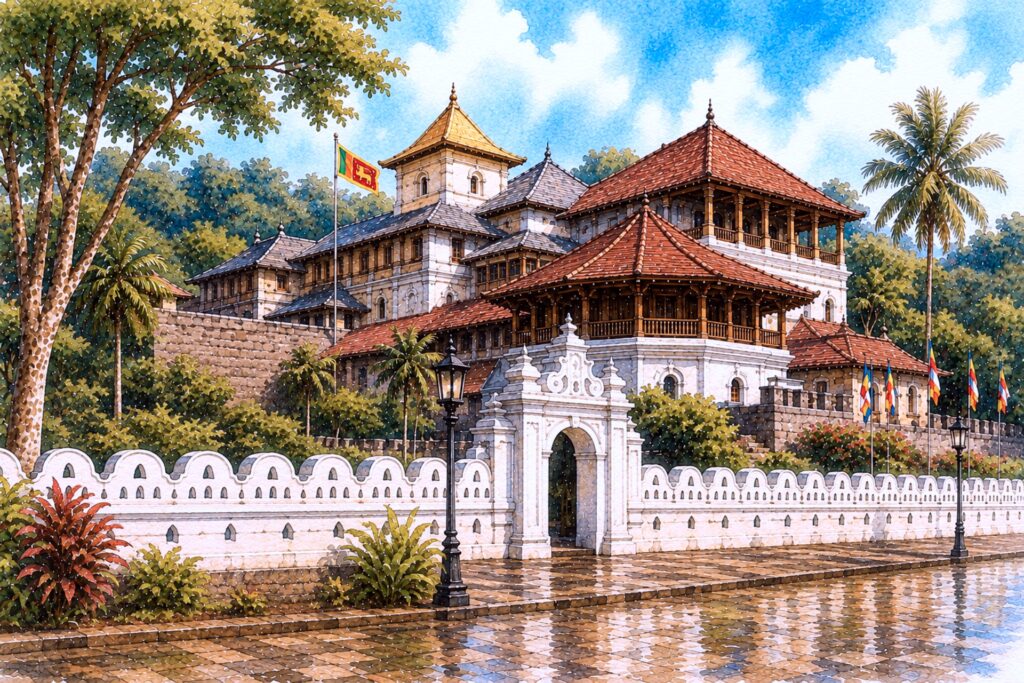
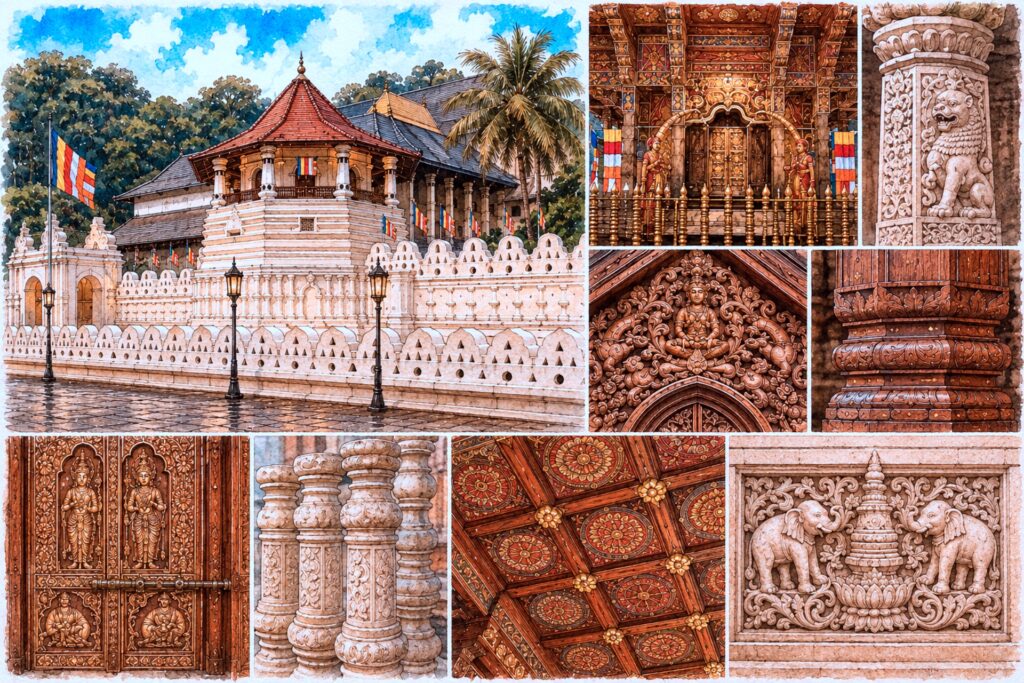
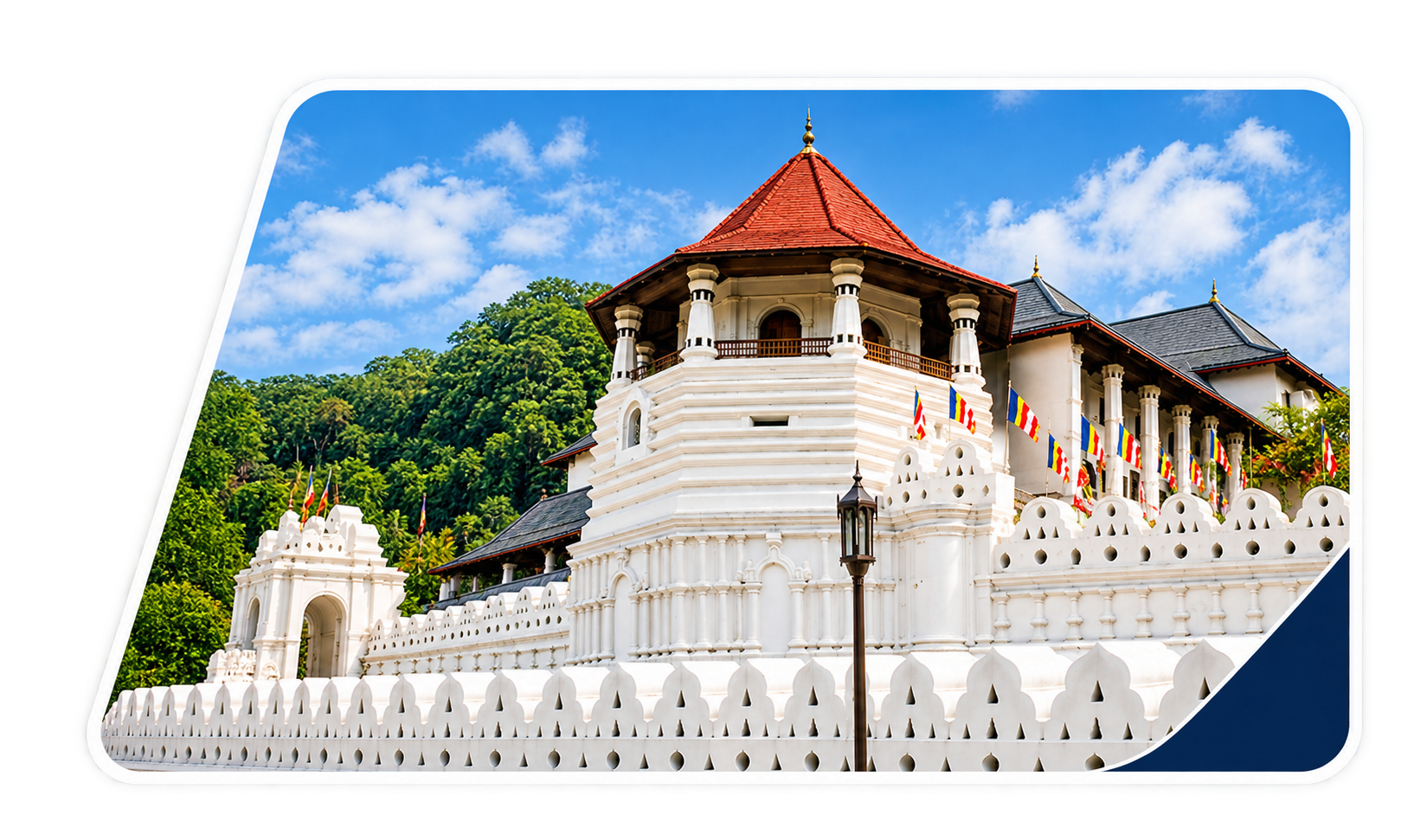
The Temple of the Sacred Tooth Relic considered one of the most prominent landmarks in terms of Buddhism in Sri Lanka and one of the places to visit during a trip to Kandy. Located next to Kandy Lake, the temple is known throughout the world for being home to the Tooth Relic of Buddha.
Location
Kandy, Central Province
Openning Hours
05.30 A.M – 08.00 P.M Daily
Entry Fee
LKR 3,000 (Foreign Adult)
Visit Duration
1-2
Hours
Dress Code
Modest Clothing Required
Photography
Limited
Inside
Accessibility
Partial
Accessible
Best Time
Evening Pooja (5.30 PM)
Entry Ticket Prices & Entrance Fees
| Visitor Category | Entrance Fee |
|---|---|
| Foreign Nationals | LKR 3,000 |
| SAARC countries | LKR 2,500 |
| Thailand & Myanmar | LKR 2,500 |
| Sri Lankan | Free |
- Purchase from the official sources: The visitors from abroad get their ticket through the machines installed at Sri Dalada Maligawa. No ticket or fee bought from an unauthorized person or source will be accepted.
- Check for the latest price: Entrance fees for foreign visitors were revised from 1 July 2026, therefore make sure to check the latest official rates before visiting. Entry fee mentioned on our website is updated.
- Keep your ticket safely: Make sure that you don’t lose your ticket after buying this ticket, you might need it during your visit.
- Dress appropriately: Shorts, sleeveless clothes, and revealing attires are not allowed. The appropriate attire can be offered at the entrance if needed.
- Plan your belongings: Before going inside, shoes, big luggage, and extra belongings should be left at appropriate reception areas.
Why Visit the Temple of the Sacred Tooth Relic?
Temple of the Sacred Tooth Relic is one of the important religious and cultural sites in Sri Lanka and a must-visit destination when you are in Kandy. Located closer to the Kandy Lake, the temple offers its visitors not only the spiritual significance but also the history of royalty and cultural traditions.
Probably the main reason to come to the temple is the visit to the sacred relic of the Buddha. It is one of the most respected elements in Buddhism in Sri Lanka. People do not see the relic itself but its environment during the ceremony is unforgettable.
The temple is part of the royal palace of Kandy for which reason, it reflects the past of the city. Visitors are able to see the unique buildings and shrines as well as experience the art of Kandyan culture.
An extra thing worth mentioning is the ritual pooja ceremony. Many people come to see this event when local inhabitants offer flowers, fruits, sweets and other gifts to the sacred tooth receiving blessings.
If you would like to see and know more about the various aspects of spirituality, history, architecture, and culture of Kandy, then visiting the Temple of the Sacred.
Sri Lanka Tours Including the Temple of the Sacred Tooth Relic
Explore the interesting highlights of Sri Lanka on this 7-day private trip, with a visit to the Temple of the Sacred Tooth Relic in Kandy.
One night in Kandy
Private Tour
Hand Picked Hotels
Take advantage of Sri Lanka in this 10-day private journey that features the ancient heritage of the Temple of the Sacred Tooth Relic in Kandy.
One night in Kandy
Private Tour
Hand Picked Hotels
Explore Sri Lanka in details during this 14-day private tour discovering the ancient cities, the Temple of the Sacred Tooth Relic in Kandy.
Two night in Kandy
Private Tour
Hand Picked Hotels
Explore the gorgeous hill regions of Kandy and Sri Lanka during this five-day journey, which will allow you to see the Temple of the Sacred Tooth Relic.
One night in Kandy
Private Tour
Hand Picked Hotels
History of The
Temple of the Sacred Tooth Relic
The history of the Temple of the Sacred Tooth Relic goes back to over 1,600 years. It correlates the historical Buddhist traditions to the royal history of Sri Lanka. The Sacred Tooth Relic came to Sri Lanka during the 4th century AD, but it became a permanent symbol of belief, power, and cultural significance for Sri Lanka.
The Sacred Beginning
The Sacred Tooth relic was taken from India to Sri Lanka during the period of King Kithsirimevan in the 4th century A.D. It is said that Princess Hemamala and Prince Dantha managed to bring the relic to the country and present it to the king who protected it thereafter.
A Symbol of Sovereignty
The Sacred Tooth Relic took on a more royal character as it became associated with the Sri Lankan kingship, whereby its possession would signify legitimization of authority. The movement of royal capital over time meant that the relic would also have to be moved along with the kingdom’s capital in specially arranged temples. This was the case in Kandy, where the relic continued this ancient tradition of tying the Buddhist religion together with the royal legacy of the island.
Brought to Kandy
Once Kandy became the last royal city of Sri Lanka, the Sacred Tooth Relic was taken to Kandy and housed in the royal palace. King Wimaladharmasuriya I built a shrine for the relic, which led to the construction of the current temple. This has been the residence of the Sacred Tooth Relic ever since.
A Sacred Heritage
Currently, the Temple of the Sacred Tooth Relic is regarded as a valuable hallmark of Sri Lanka’s Buddhist faith and identity. Its historic structures, age-old practices and revered traditions keep attracting believers and tourists from various parts of the world. Together with Kandy, the Temple is an embodiment of centuries of traditions, royalty and arts.
Timeless Devotion
Sri Lankan Buddhists have kept the customs associated with the Sacred Tooth Relic for ages. There are everyday rituals, offerings, and pilgrimages that are going on as per practice in the temple. The belief of the followers make the Temple of the Sacred Tooth Relic not just a historic site, but a functional place of worship.
The Sacred Beginning
As per the traditions of the island of Sri Lanka, the Sacred Tooth relic was taken from India to Sri Lanka during the period of King Kithsirimevan in the 4th century A.D. It is said that Princess Hemamala and Prince Dantha managed to bring the relic to the country and present it to the king who protected it thereafter.
Origin
4th Century AD
Brought to Sri Lanka
4th Century AD
Brought to Kandy
16th Century AD
A Living Heritage
Evening Pooja (5.30 PM)
Top Things to See Inside the Temple Complex
The Main Shrine – Sri Dalada Maligawa
Sri Dalada Maligawa is the main shrine within the Temple of the Sacred Tooth Relic complex, where the Sacred Tooth Relic of the Buddha is enshrined and venerated by Buddhists from around the world. The shrine is built in the traditional Kandyan architectural style and is characterized by elaborate carvings and richly decorated elements. The shrine is the centre of the spirituality of the complex and is a popular place for worshippers and tourists visiting the complex.
The Sacred Tooth Relic Chamber
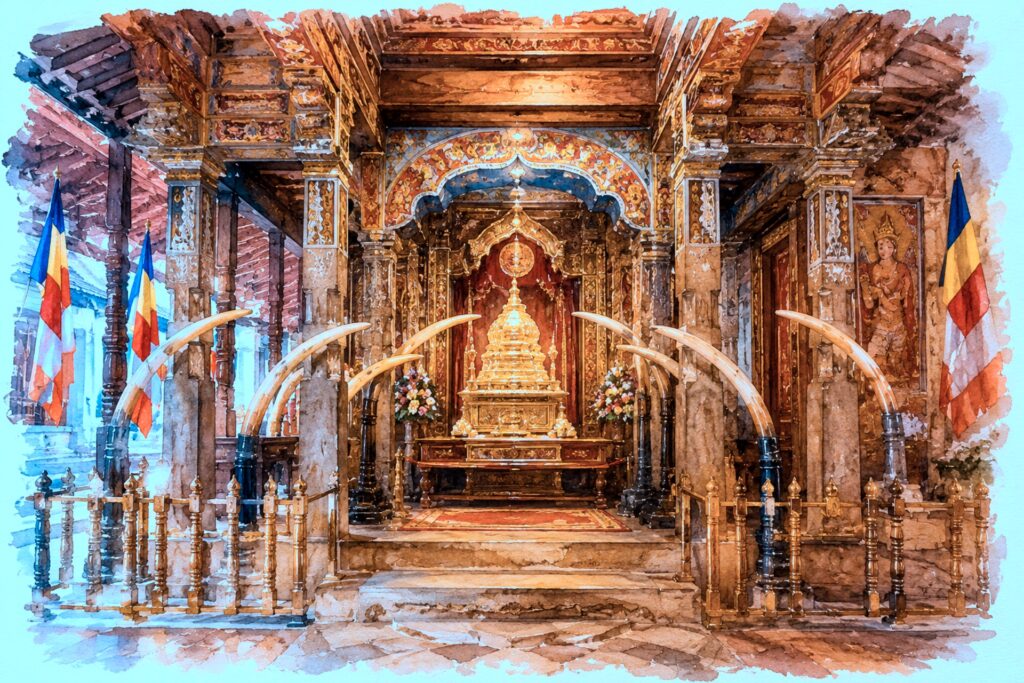
The Sacred Tooth Relic Chamber is the most venerated section of the Sri Dalada Maligawa, where the Sacred Tooth Relic is stored in a collection of beautiful golden containers. Although tourists cannot view the relic itself, it is exciting to see a host of visitors assembling in the vicinity to offer flowers and prayers and to take part in the performances.
The Golden Canopy & Main Temple Interior
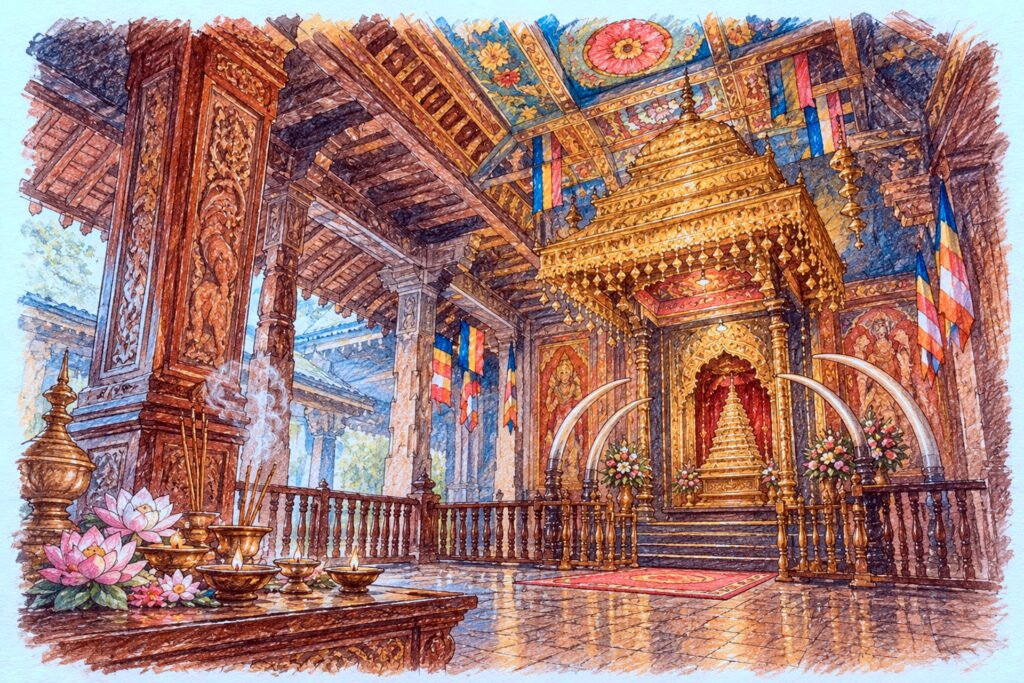
In the temple’s interiors, the golden canopy that hangs above the main shrine becomes a captivating focal point. The temple walls have been exquisitely detailed. Visitors would have an opportunity to admire the beauty of the structure while the worshippers are busy with their prayers and offerings.
The Octagonal Pavilion – Paththirippuwa
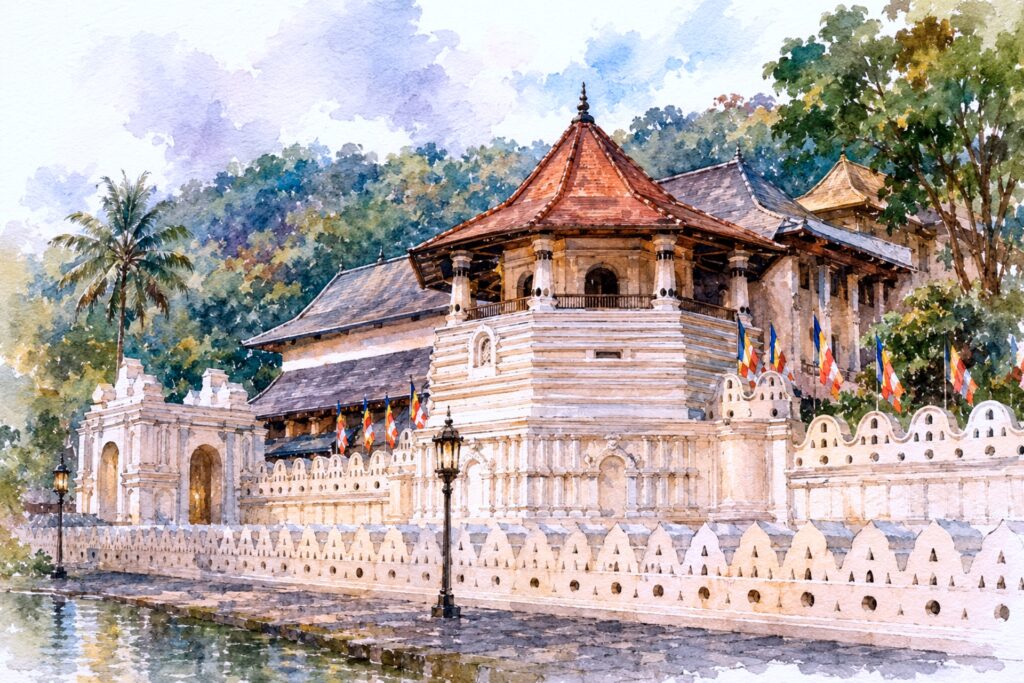
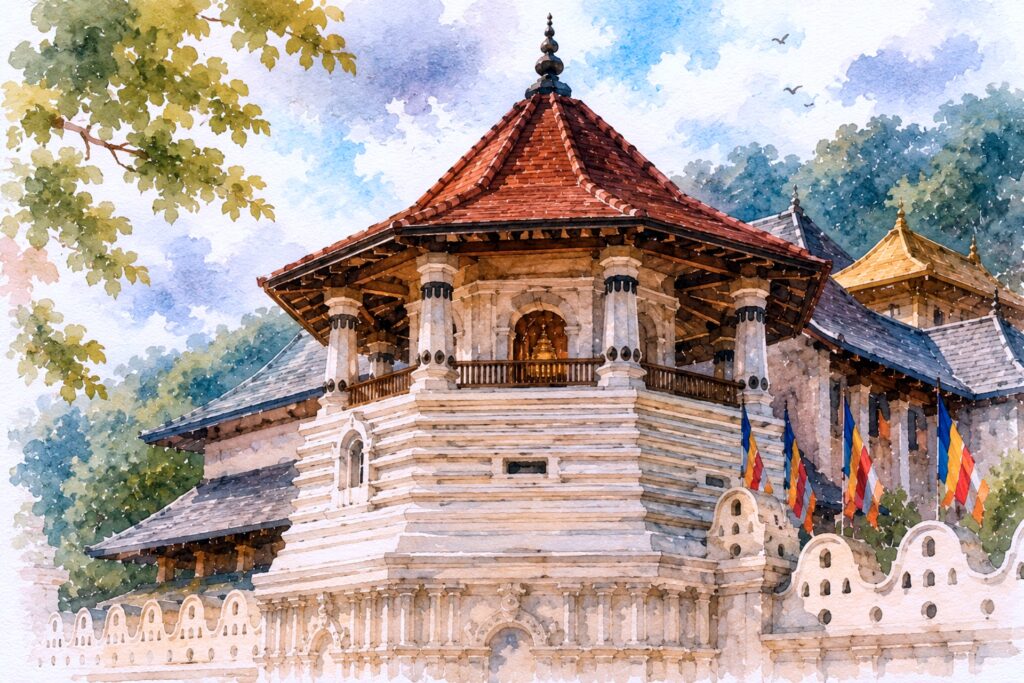
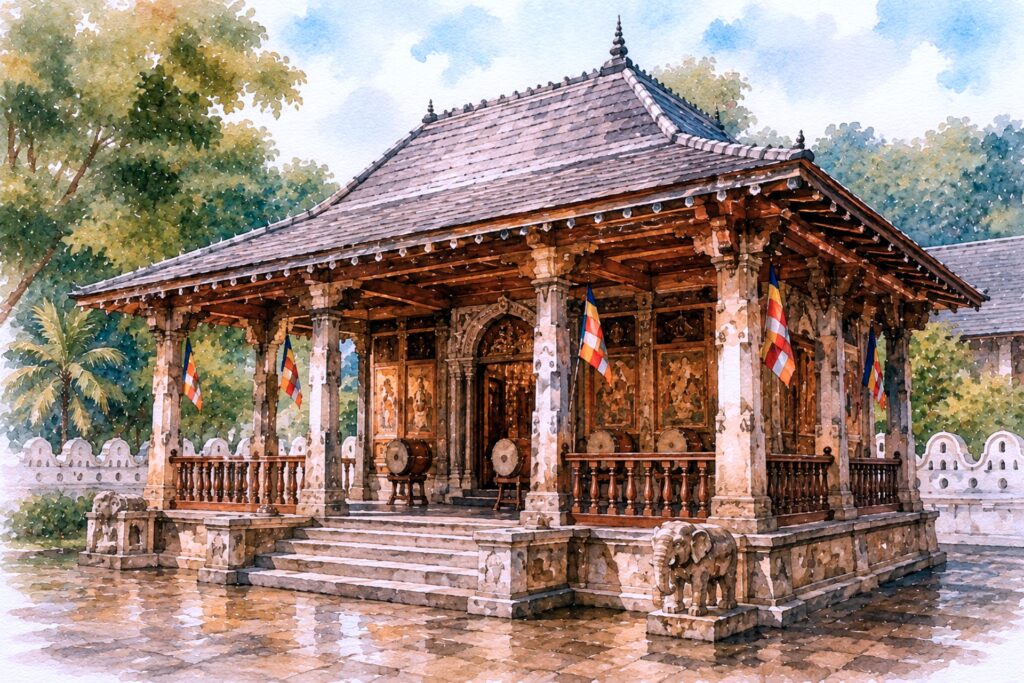
The Octagonal Pavilion or Paththirippuwa is one of the most recognizable architectural elements of the Temple of the Sacred Tooth Relic in Kandy, Sri Lanka. The structure was built during the reign of King Sri Wickrama Rajasinghe and showcases beautiful octagonal architecture. Today it offers great insight into Kandyan architectural heritage.
The Drumming Hall
The Drumming Hall is a significant component of the Temple of the Sacred Tooth Relic, where daily rituals are conducted with the help of traditional Kandyan drumming. Hearing the rhythmic sounds of drums and devotional songs creates an environment charged with spirituality as offerings are made to the Sacred Tooth Relic. For tourists, hearing these traditional sounds serves as a unique and unforgettable insight into the living Buddhist traditions in Sri Lanka.
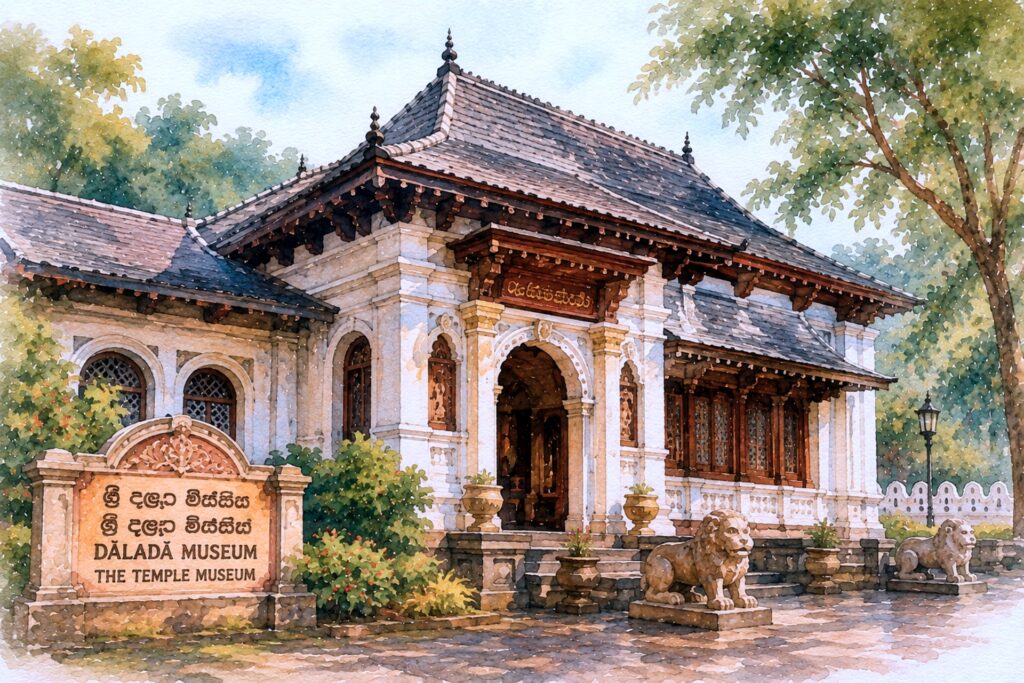
The Temple Museum – Dalada Museum
The Dalada Museum gives a detailed insight into the journey of the Sacred Tooth Relic of Buddha. A range of historical documents, artefacts, royal gifts, religious objects and exhibits related to the temple are displayed in the museum. The Dalada Museum allows its visitors to learn about how the Sacred Tooth Relic, Buddhism and the Kandyan monarchy contributed to defining and shaping Sri Lankan religion and culture.
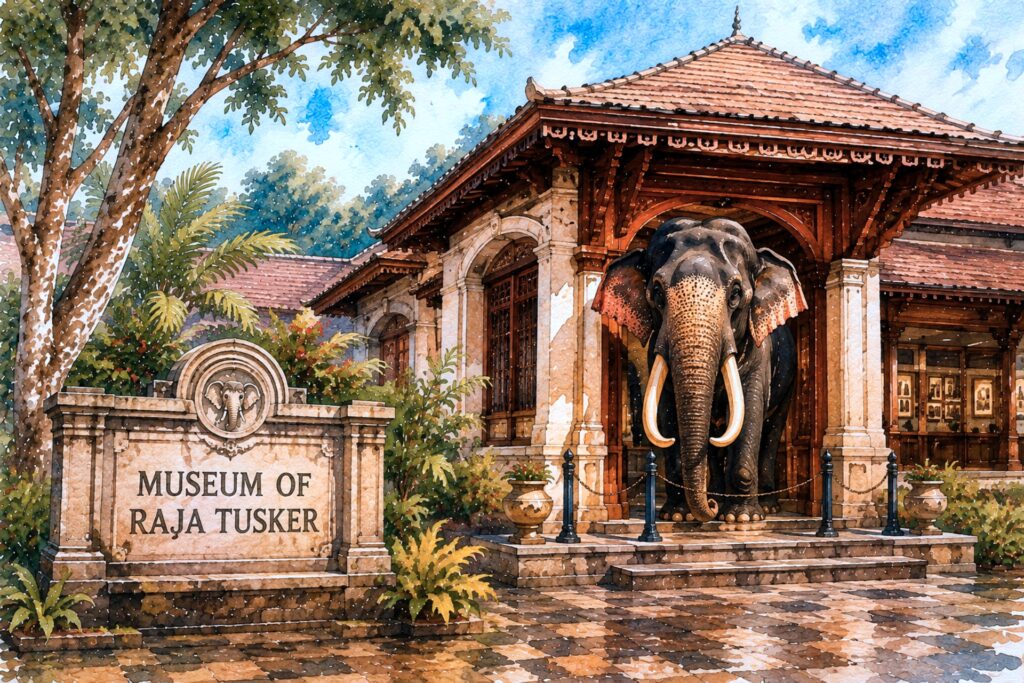
Museum of Raja Tusker
The Raja Tusker Museum is in honor of Raja, the renowned temple elephant who carried the Sacred Tooth Relic casket for numerous years. The museum showcases the preserved body of Raja, ceremonial outfit, photographs, as well as historical facts. The museum gives visitors an interesting perspective on how significant role elephants had in the Sri Lankan religions and culture.
Magul Maduwa – Royal Audience Hall
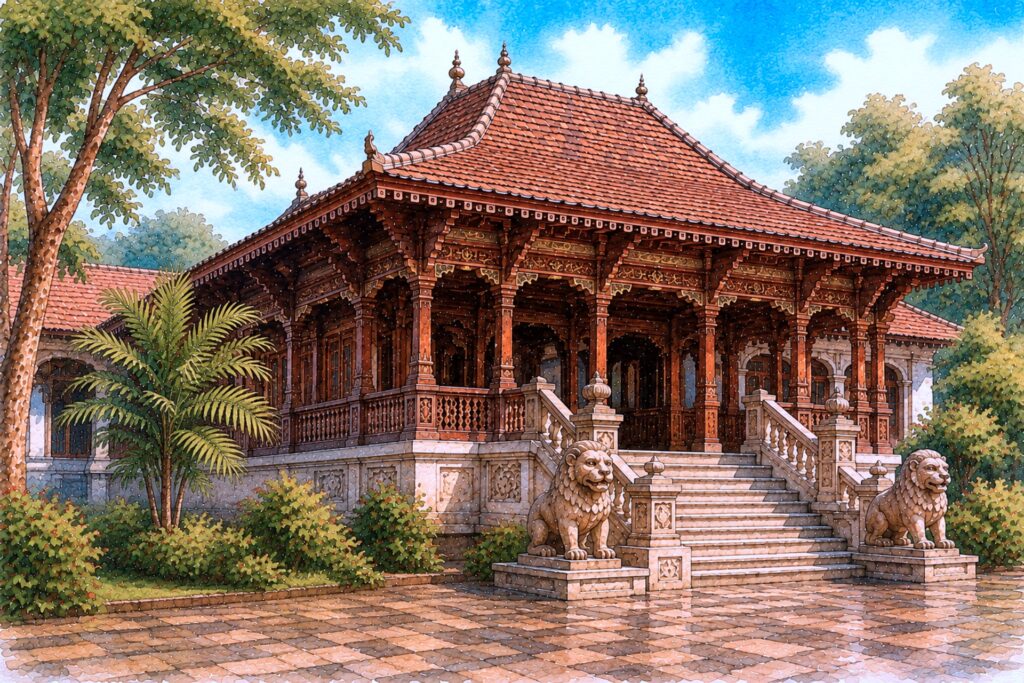
The Magul Maduwa or Royal Audience Hall is a well-kept wooden building that shows the beauty of the Kandyan Kingdom. This structure dates back to the reign of Sri Wickrama Rajasinghe and served as a venue for meetings and important events. It consists of carved wooden pillars and traditional architecture that give an insight into Kandy’s royal history.
Royal Palace Complex
The Royal Palace Complex which is situated around the Temple of the Sacred Tooth Relic stands as an evidence of the great importance of Kandy as being the ultimate royal city of Sri Lanka. Being the central part of royal life in Kandy, this complex contains several old buildings and sites related to kingship. By analyzing these remains, one will be able to understand how important kingship, Buddhism and the Sacred Tooth relic were for one another in Sri Lanka.
Mahaweli Maha Wahalkada & Temple Entrance
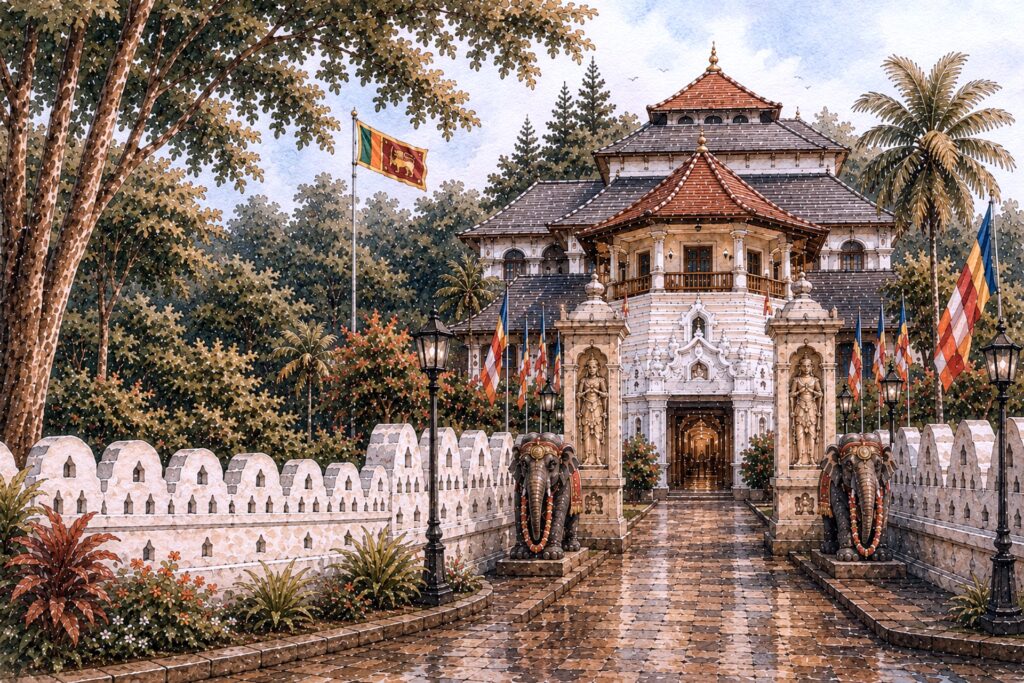
The Mahaweli Maha Wahalkada is the grand entrance to the Temple of the Sacred Tooth Relic, drawing visitors into the sacred site. Its traditional architecture, ornamentation, and stature emphasize the significance of the temple. Going through the entrance signifies the passing from the bustling streets of Kandy to a serene and holy setting.
Mahamaluwa – The Temple Esplanade
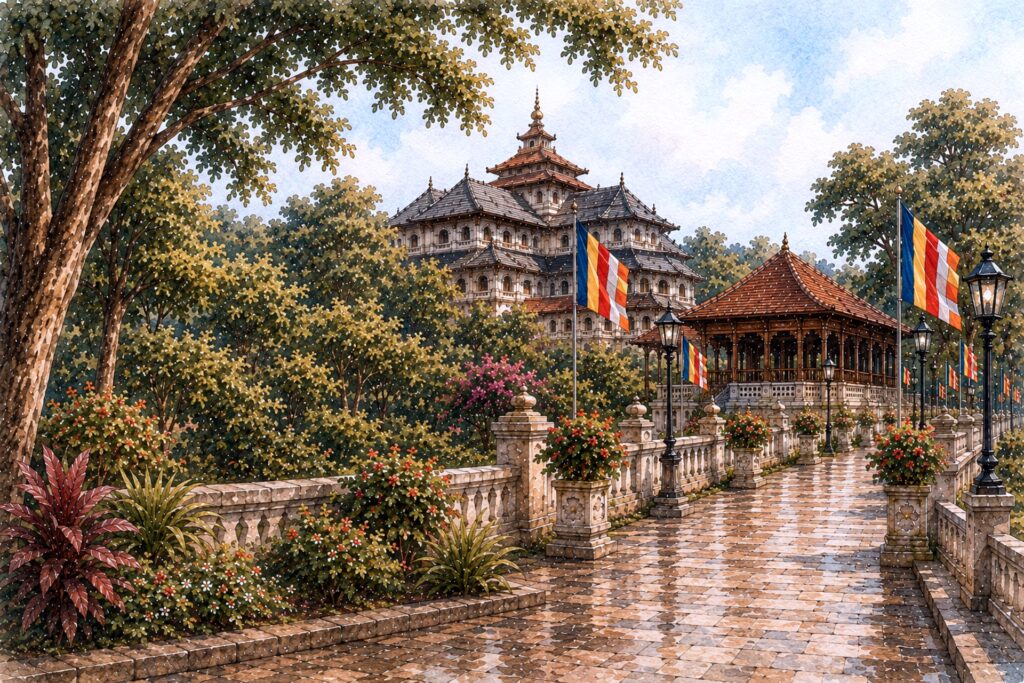
Mahamaluwa is the large public space in front of the Temple of the Sacred Tooth Relic and an essential area of the entire complex. This place is surrounded by heritage constructions and plants which give an opportunity to see the architecture of the temple. During important religious feasts and the Esala Perahera festival, Mahamaluwa becomes an important area for believers and ceremonies.
The Historic Moat and Lake-Side Setting
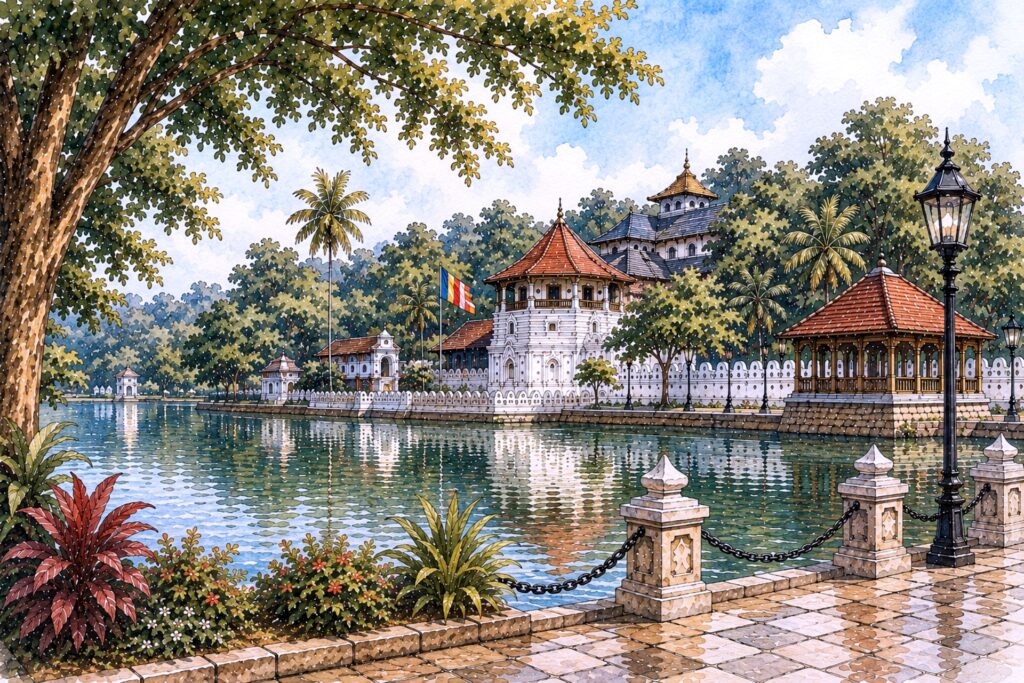
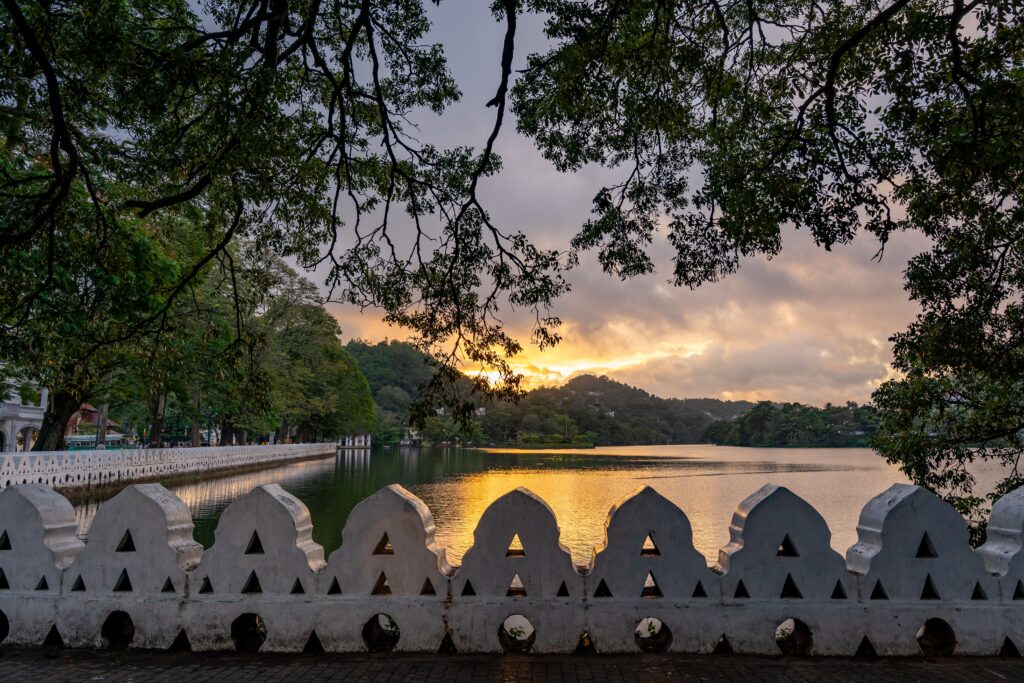
The ancient moat that encompasses part of the Temple of the Sacred Tooth Relic contributes to the character of this remarkable heritage site. Away from the temple, this complex offers a picturesque setting next to Kandy Lake, lending a serene contrast to the city. The presence of water, historic architecture and greenery makes this site particularly attractive for photography.
Kandyan Architecture, Woodcarvings & Decorative Details
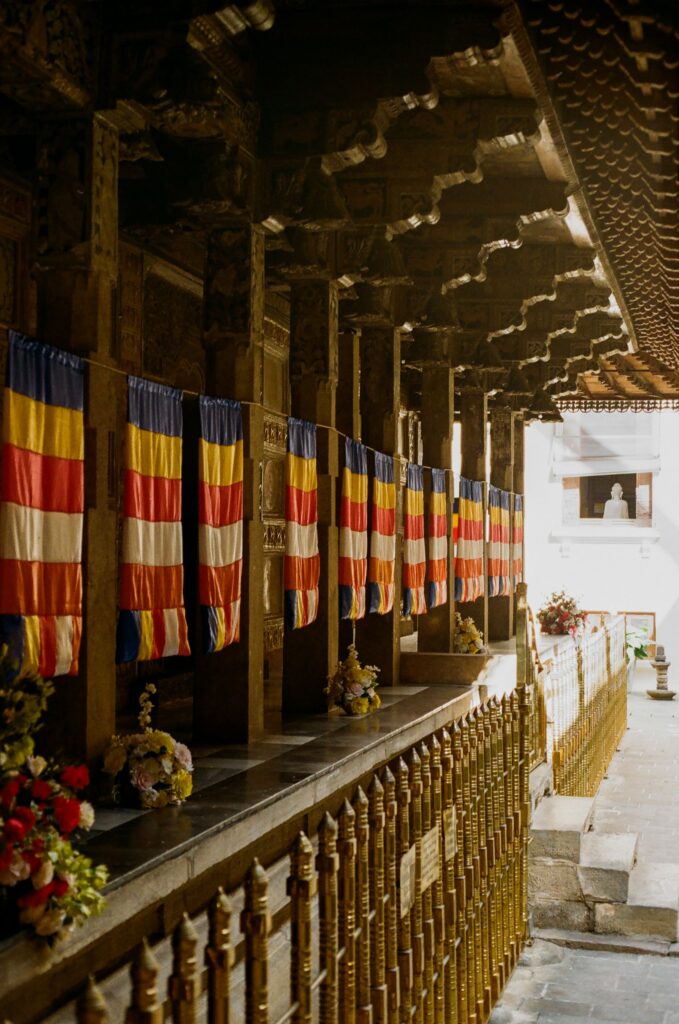
The temple complex is known for its typical Kandyan architecture that is displayed in every element of the temple in the form of intricately carved wooden columns, elaborate roofs, painted walls, and finely detailed carvings. The tourists can observe the craftsmanship based on the traditional fine arts of the past and see the floral and patterned designs.
Temple Ceremonies
(Pooja Times)
The Temple of the Sacred Tooth Relic is known for its daily Buddhist ceremonies called Thewawa. The Temple hosts these ceremonies at three different times in a day: morning, afternoon, and evening. The rituals conducted during Thewawa include recitation of prayers, making offerings to the gods, playing drums, and such other devotional activities; hence, the visitors are given a rare opportunity to observe the traditional ceremonies taking place in this historical temple.
Morning Pooja
- 5:30 AM - 7:00 AM
The morning Pooja starts off promptly with prayers and offerings and ritual practices performed in honor of the Sacred Tooth Relic. Visitors will see devotees offering flowers, and monks performing sacred acts and rituals as the temple comes to life.
Midday Pooja
- 9:30 AM - 11:00 AM
The Midday Pooja presents the followers of Buddha with a chance to unite and indulge in prayers, offerings, and rituals associated with Buddhism. Scheduled near noon, the occasion allows them to soak in the sacred vibes of the temple while watching the devotees carry out their rituals in relation to the Sacred Tooth Relic.
Evening Pooja
- 6:30 PM - 8:30 PM
The Pooja in the evening is an atmospheric event that combines prayers, offerings, and traditional drumming in preparation for the night rituals inside the temple. Visitors can appreciate the devotion of worshippers and the calm environment while observing one of the most significant religious activities of the day.
Important Tip
Temple timings may be modified on some occasions because of festivals ceremonies, or religious commemorations. Therefore, it is essential to verify the latest schedule and arrive there beforehand (preferably around 15-20 minutes prior).\
Planning your Visit
Planning your trip to the Temple of the Sacred Tooth Relic is essential so that you can make your visit to Kandy’s most important cultural monument comfortable and respectful. Since the temple is a working Buddhist temple, you need to plan ahead. Knowing about the dress code, schedule of opening hours, rituals, and other relevant matters will ensure that your stay at the temple is enjoyable.
- QUICK FACTS
Recommendation Duration
1 – 2 Hrs
Location
Kandy, Central Province
Openning Hours
5.30 AM-8.00 PM Daily
Entry Fee
LKR 3,000 (Foreign Adult)
Free (Foreign Children)
Dress Code
Shoulders and knees must be covered. Remove shoes and hats before entering.
Photography
Allowed in most areas. No photography in restricted sacred places.
Best Time to Visit
Early morning or late afternoon for a quieter experience.
Allow Enough Time
Please allocate approximately 1-2 hours for the Temple of the Sacred Tooth Relic in order to take in the whole experience without being pressed for time. This includes time for taking into account the main temple, appreciating the architecture, observing the neighbouring buildings and experiencing an important Buddhist tradition if the Pooja ceremony takes place during your visit.
Expect Security Checks
Travelers need to be aware of possible security screenings before entering the Temple of the Sacred Tooth Relic. Allow extra time in order to accommodate busy periods, especially on religious observances. Make sure that your luggage is organized and follow the instructions of security personnel. Some items may not be allowed inside; therefore, one has to be informed about current visitor rules before his/her visit.
Visiting During Pooja
Taking part in a Pooja ceremony is a unique chance to witness a major aspect of a living tradition of Buddhism. During this occasion, the temple is very lively because the faithful people gather for their prayers and offerings. While the rituals can be crowded, being there early gives you a chance to get a good spot and watch everything calmly without interfering with the worshippers and the service.
Important Fact
Pooja ceremonies attract large crowds, so arrive early, dress modestly, remove your shoes where required, and follow all temple instructions.
PLAN YOUR DAY
Combine your visit with other Kandy attractions such as Kandy Lake, the Royal Palace, and markets.
GO EARLY OR LATE
Early morning or late afternoon visits help you avoid the crowds and heat of the day.
STAY HYDRATED
Carry water with you, especially if you are cisiting during the middle of the day.
RESPECT THE HOLY PLACE
Maintain silence inside the sacred area and follow instructions from staff.
RESPECT THE HOLY PLACE
Do not litter. Help keep this sacred place clean for everyone.
SUPPORT RESPONSIBLY
Purchase souvenirs from authorized shops and support local artisans
Best Time to Visit & How to Get There
When it comes to your visit to the Temple of the Sacred Tooth, timing is everything. Discover when the best time is to visit the temple, how to get to it, and travel options available in Kandy.
Best Time to Visit
Year-Round Destination
The Temple can be visited any day of the year and visitors can attend daily rituals, regardless of the month, season or weather.

Early Morning for a Peaceful Visit
Starting your visit early in the morning brings along cool temperature, fewer number of visitors, reduced time wasting in queues and the chance to have a quiet visit in the temple..

Pooja Times for Spiritual Atmosphere
Visit the temple during the temple’s daily Pooja ceremonies to experience the vibrant spiritual atmosphere of the temple where devotees come to offer their prayers.

Avoid Crowds
If you wish to avoid crowds, visit the temple on working days and outside the time of major Poojas, weekends or festivals.,
How to Get There

On Foot
The temple can be reached on foot from the lakeside and from the middle of the town and many hotels located close by.

Tuk-Tuk or Taxi
If you are looking for the best transport option to get to the temple from the center of Kandy, hotels, and places of interest, a tuk-tuk or taxi is an option.

Private Driver
Get a private driver who will help you visit the temple and see other sights of Kandy.

By Bus
There is a regular bus service between Kandy and the nearby towns, and the local bus also stop near the temple.

By Train
The railway station is located close enough to the temple, which makes traveling by train convenient.

Parking
Parking options are limited; hence you should think of parking somewhere further and walk or take a tuk-tuk.
Nearby Attractions
Kandy Lake
Kandy Lake is one of the most picturesque places found in Kandy city right next to the Temple of the Sacred Tooth Relic. A pleasant stroll along its serene shore will allow you to enjoy the captivating sights of the temple, hills, and the lively city.
Royal Palace of Kandy
The Royal Palace of Kandy is an integral part of the historic royal complex, which encompasses the Temple of the Sacred Tooth Relic. Find out about the sites that still stand and discover the stories of the Kandyan monarchs as well as the traditions of the royals and the rich history of Kandy.
Bahirawakanda Buddha Statue
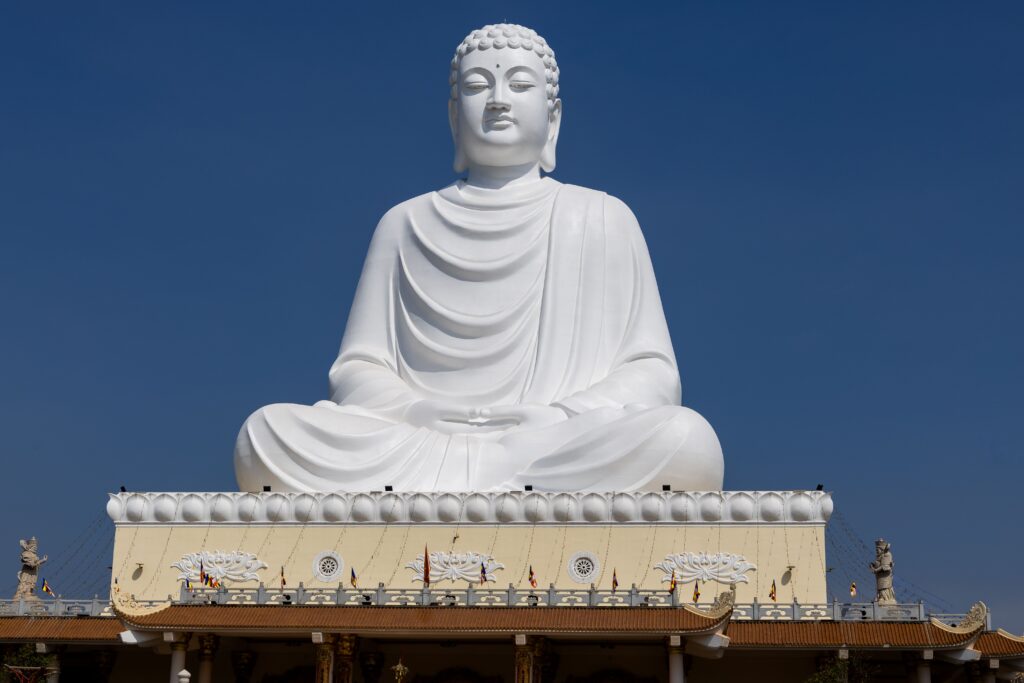
Bahirawakanda Buddha Statue ascends high above Kandy and offers breaths-taking views of the city and surrounding hills. It is highly recommended to visit it after the Temple of the Tooth as it allows enjoying the serenity of the place, watching the towering status of Buddha and taking photos.
Royal Botanical Gardens
The Royal Botanical Gardens can be found in Peradeniya, a place close to Kandy. It is a great site to include in your sightseeing trip. Explore the grounds, enjoy the beauty of the tropical plants and trees around you, as well as the calm and tranquility of the gardens.
Frequently Asked Questions
Opening hours at the Temple of the Sacred Tooth Relic are from 05:30 AM until 08:00 PM each day, enabling visitors to plan their visit around the daily religious services.
From 01 July 2026, a foreigner from any of the SAARC countries, Thailand and Myanmar pays LKR 2,500. Visitors from other parts of the world pay LKR 3,000. Entrance tickets give also access to different museums in the complex.
Visitors need to wear modest and respectful clothes. Shorts, sleeveless clothes and clothes exposing bare skin of the body are not allowed to wear. In case of not having proper clothes, appropriate garments can be obtained at the temple entrances.
The daily services called Theva occur three times a day: from 05:30 AM until 07:00 AM, from 09:30 AM until 11:00 AM, and from 06:30 PM to 08:00 PM. Visiting the temple during these hours will get one immersed into the religious atmosphere of the place.
We suggest allocating around 1–2 hours for a good visit. This should be adequate to take in the temple and some of the adjacent museums at your leisure, and longer visits may be needed if you are able to join in a Pooja.